
Anybody replacing an old heating system in East Tennessee has probably already heard strong opinions from both camps, usually from a neighbor who swears by his natural gas furnace and a brother-in-law who’ll tell anyone who listens that his heat pump cut his bills in half. The funny thing is they could both be right, because how the heat pump vs gas furnace question shakes out depends on your particular house and your local utility rates, and also on how you want to heat and cool the place the whole year round.
Tennessee homeowners actually sit in a pretty lucky spot here, since we’ve got low electricity rates and mild winters, and a lot of us can get electric and natural gas service both, which means you have real options rather than one default. We’ll walk through how the two systems stack up on monthly bills and upfront costs, then on comfort and safety, so you can settle the heat pump vs gas furnace question with some actual confidence behind it.
Three facts shape the heat pump vs gas furnace decision in Tennessee more than anything else:
- Roughly 63.6 percent of households in Tennessee heat with electricity, a lot more than the 41.7 percent you see nationally, so if you’ve got electric heat you’re in good company around here.
- Electricity in Tennessee costs the average home about 14.07 cents per kWh while the national average sits at 18.34 cents, so we’re paying something like 23 percent less than most of the country for the same power.
- According to the Department of Energy, a modern heat pump can use about 65 percent less electricity for heating than electric resistance heat does, and by resistance heat we mean the electric furnaces and baseboard heaters plenty of older houses still have.
Heat pump vs gas furnace: how each system works
Before getting into costs in the heat pump vs gas furnace matchup, it’s worth understanding the one basic difference between them, because honestly that difference explains almost everything else in this article.
How a heat pump moves heat
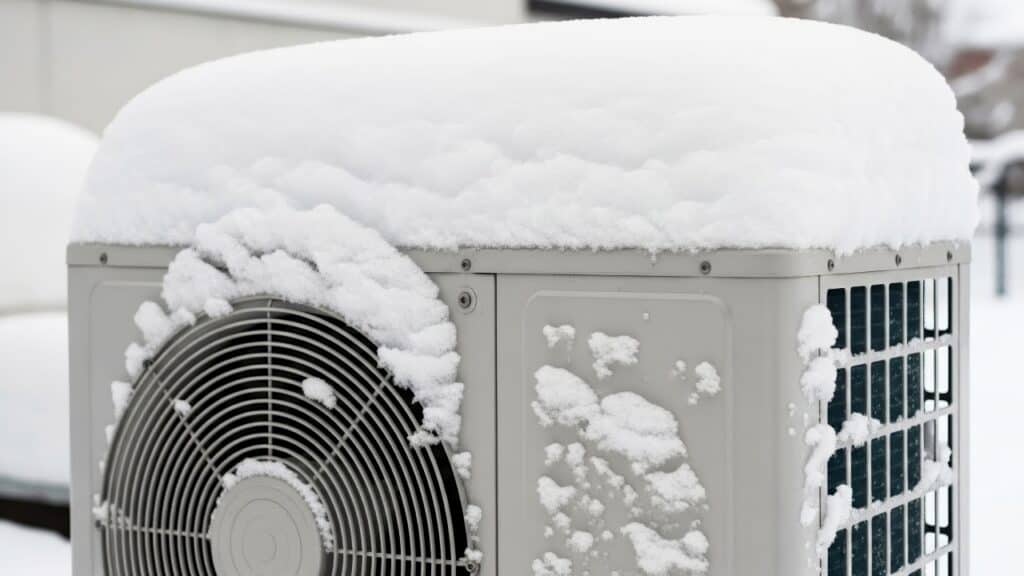
A heat pump doesn’t burn anything at all, which surprises some people. What it does instead is use refrigerant and electricity to carry heat from one place to another, so in winter an air source heat pump is pulling heat out of the outdoor air (yes, even on a chilly day there’s some in there) and bringing it inside, and in summer it runs the same trick backward and pushes heat out of the house just like a central air conditioner would. Moving heat takes a lot less energy than making it from scratch, so a heat pump can deliver several units of heat for every unit of electricity it uses, and that’s the reason it does so well in a mild climate like ours and the single biggest difference in the whole heat pump vs gas furnace comparison.
How a natural gas furnace creates heat
A natural gas furnace burns gas in a combustion chamber, and a metal heat exchanger grabs that heat while a blower pushes the warm air out through your ductwork. Gas furnaces put out very warm air in a hurry, which a lot of folks love on a cold morning, but they only heat, so a house with a gas furnace needs a separate air conditioner for summer. The newer high-efficiency furnaces capture most of the energy in the fuel, although no combustion system can ever hand you more heat than the fuel it burned, and that one-job setup ends up being a pretty important factor in any heat pump vs gas furnace decision.
Why efficiency ratings don’t compare directly
Furnaces carry an AFUE rating, which tells you how much of the fuel turns into heat you can use, so with a 95 percent AFUE furnace, 95 cents of every gas dollar ends up warming the house. Heat pumps get rated on a different scale entirely, HSPF2 for heating and SEER2 for cooling. A refrigeration cycle that moves heat can reach 300 to 400 percent efficiency while combustion tops out around 98 percent, and you’d think that settles it, except it doesn’t automatically make a heat pump cheaper to run, because electricity and natural gas are priced so differently, and that’s right where the heat pump vs gas furnace comparison starts getting interesting.
Heat pump vs gas furnace operating costs in Tennessee
Monthly heating bills are where the heat pump vs gas furnace choice really lands on your wallet, and Tennessee’s energy prices tilt that math in a few ways people don’t expect.

What Tennessee’s low electric rates mean for heat pumps
Tennessee has some of the cheapest electricity in the country, with a recent average residential rate around 14 cents per kWh, comfortably under the national average, and cheap power paired with an efficient heat pump is a hard combination to beat. It’s a big part of why electric heat is so common here, with more than 63 percent of Tennessee households heating with electricity. If your house currently runs on an electric furnace or baseboard heat, the heat pump vs gas furnace question usually ends pretty quickly, since a heat pump uses only a fraction of the electricity that resistance heat burns through.
When natural gas pulls ahead
Natural gas can still come out ahead on fuel cost in some situations, like a house that already has a gas line, sitting on a local utility with competitive rates, in a winter that throws long stretches of hard cold at you, where a high-efficiency natural gas furnace may well be cheaper to run on the coldest days. Heat pump efficiency drops as it gets colder outside, and older or standard heat pumps may lean on backup electric resistance heat strips during a deep cold snap, which cost a lot to run and can wipe out much of the heat pump’s advantage over one frigid week. The newer variable-speed and cold-climate models narrow that gap by quite a bit, though, and that’s shifted the heat pump vs gas furnace math noticeably in recent years.
Running the numbers for your home
Here’s a simple way to check it yourself with a calculator. At about 14 cents per kWh, a heat pump running at 300 percent efficiency gives you the same heat as one therm of natural gas for roughly $1.37 worth of electricity, while a 95 percent efficient gas furnace breaks even with a gas price of about $1.30 per therm. So if your delivered gas price comes in below that, the furnace has the edge on fuel, and if it’s above, the heat pump wins, with the one catch being the coldest days, when heat pump efficiency slides down closer to 200 percent and that same heat costs about $2.06.
Recent figures based on EIA data put Tennessee’s residential natural gas price at about $1.62 per therm in May 2026, but gas prices move around from month to month and from one utility to the next. Pull out your own bills, or ask your contractor to run a heat pump vs gas furnace comparison with your actual rates and usage plugged in.
Upfront costs, lifespan and maintenance
Monthly bills are only part of the story, since what you pay on day one and how many years you get out of the system matter just as much.
Installation costs side by side
On the upfront side, a heat pump replacement typically comes in around $4,000 to $8,000, and a new gas furnace, installed, usually falls somewhere from $3,800 to $10,000. Those two numbers aren’t really measuring the same thing, though, since the heat pump is also your air conditioner and the furnace isn’t, which means that if the AC is on its last legs anyway, a single heat pump installation could replace both of them in one go. Going the other direction, a house with no gas line has to get one run first, and that adds to the furnace side of the ledger.
Keep in mind the federal 25C tax credit that used to help offset these costs expired on December 31, 2025, and 2026 installs don’t qualify, so it’s worth asking about TVA EnergyRight and your local utility’s incentives before you lock in a heat pump vs gas furnace budget.
How long each system lasts
Gas furnaces generally last longer, often 15 to 20 years or more, since they only work during heating season, whereas a heat pump heats all winter and cools all summer and so typically gives you something like 10 to 15 years. Once you remember that the furnace setup also comes with a separate AC that wears out on its own schedule, that lifespan gap shrinks a good deal, which is why a fair heat pump vs gas furnace comparison looks at the whole system instead of only the heating half.
Maintenance and repair differences
Both of them need regular maintenance to run safely and efficiently, just on slightly different schedules. A heat pump does best with two tune-ups a year, one ahead of cooling season and one ahead of heating season, since it works through both, and a gas furnace needs a yearly furnace maintenance visit with a safety inspection of the heat exchanger, burners, flue and gas connections. Repair costs depend on the part, and each side has its own quirks, the reversing valve on a heat pump or the ignitors and flame sensors and gas valves on a furnace, but whichever way you go on the heat pump vs gas furnace choice, steady maintenance is what keeps the repair bills small.
Comfort, climate and safety
Numbers aside, how the house feels and how safe it is are things you live with every single day.
How each system handles an East Tennessee winter
East Tennessee winters are mostly mild, with plenty of days in the 40s and nights that dip below freezing, and that happens to be right in the sweet spot for heat pumps, which run most efficiently in moderate cold. A few times every winter, though, a blast of arctic air shoves the temperature way down, and that’s when a gas furnace shows off, putting out steady, hot air no matter what the thermometer on the porch says. Modern heat pumps handle those cold snaps far better than the older ones ever did, but in the heat pump vs gas furnace debate, those bitter nights are exactly where furnaces keep their loyal fans.
Year-round comfort and air quality
Comfort is personal, and it’s one part of the heat pump vs gas furnace choice where what you like counts as much as anything on a spreadsheet. A heat pump gives you gentler, more even warmth, with air from the vents that feels warm without ever feeling hot, and some people love that while others really miss the blast of furnace heat on a cold morning. Variable-speed heat pumps run longer at lower speeds, and the upside of that is steadier temperatures plus better humidity control come summer. A gas furnace heats a room faster, no question about it, but the temperature tends to swing more as it cycles on and off, and whichever you choose will do better with a decent filter and ductwork that’s been properly sealed.
What about safety?
Since nothing burns inside a heat pump, it doesn’t make any carbon monoxide, and you don’t need a gas line or a flue running to it either. A gas furnace is safe when it’s installed and maintained properly, but there is combustion happening inside your home, which makes the yearly inspection and working carbon monoxide detectors non-negotiable, and we’ve written about why you should check your carbon monoxide detectors before winter if you’d like the details. For families who’d rather have no combustion in the house at all, safety by itself can settle the heat pump vs gas furnace decision.
Choosing between a heat pump vs gas furnace for your home
There’s no single right answer for everybody, but there usually is a right answer for your house.
When a heat pump makes the most sense
A heat pump is usually the better pick if there’s no natural gas service to your house, or if you’re heating with an electric furnace or baseboard heaters right now, and it looks even better when your air conditioner needs replacing too, or when you’d just like one efficient system taking care of comfort all year. Between Tennessee’s low electric rates and our mild winters, plenty of homeowners find heat pump costs hard to beat over the long haul, and in cases like these the heat pump vs gas furnace choice usually goes to the heat pump.
When a gas furnace is the better fit
A natural gas furnace often makes more sense if you’ve already got gas service at a good rate, if the house is older or on the drafty side, or if you simply like the feel of hot air on a cold morning. And if your AC is fairly new with years left in it, replacing just the furnace through a straightforward furnace installation can be the cheaper move for now, because for some homes the heat pump vs gas furnace question really does come down to what’s already sitting in the basement.
The dual fuel option: getting the best of both
You don’t always have to pick one. A dual fuel system pairs a heat pump with a furnace, so the heat pump handles the mild days efficiently and the gas furnace takes over once the temperature drops below a set point, and since the switch happens on its own, you get the heat pump’s low operating cost through most of the winter plus the furnace’s strong heat during cold snaps. For a lot of East Tennessee homes that have gas service, a dual fuel setup is the smartest answer to the heat pump vs gas furnace debate.
Questions we get about heat pump vs gas furnace
Heat pump vs gas furnace: which is cheaper to run in Tennessee?
It depends on your rates, but Tennessee electricity averages about 14 cents per kWh, well under the national average, and that tilts things toward heat pumps, to the point where a gas furnace only wins on fuel cost when your delivered gas price falls below roughly $1.30 per therm.
Do heat pumps work in Tennessee winters?
They do, and East Tennessee’s mild winters suit them well, with modern models getting through cold snaps much better than the older units did, and if you want extra insurance for the coldest days, a dual fuel system can add a gas furnace to the mix.
Which lasts longer, a heat pump vs gas furnace?
Gas furnaces usually last 15 to 20 years or more, while heat pumps typically last 10 to 15 years, mostly because a heat pump runs year-round for heating and cooling alike.
Which is safer, a heat pump vs furnace?
With a heat pump there’s no fuel burning, so carbon monoxide just isn’t part of the picture, and a gas furnace is perfectly safe when it’s installed and maintained right, as long as you keep up with the yearly inspection and have working CO detectors in the house.
Are there tax credits for heat pumps in 2026?
Not the federal one, since the 25C tax credit expired on December 31, 2025 and 2026 installs don’t qualify, but TVA EnergyRight and your local utility may have rebates going, and it’s worth a phone call to find out what they’re offering right now.
If you’re still going back and forth on a heat pump vs gas furnace for your own home, that’s completely normal, and it’s the kind of conversation Chancey Reynolds is glad to have with Knoxville-area homeowners, using real numbers like your home’s size, your local utility rates and whatever equipment you already have. Whether a heat pump, a high-efficiency natural gas furnace or a dual fuel system turns out to be the right fit, our team will give you a straight answer and a clear written quote, so go ahead and schedule your heat pump vs gas furnace consultation today and head into winter with a system that’s built around your home and your budget.